




Estimated reading time: 6 minutes
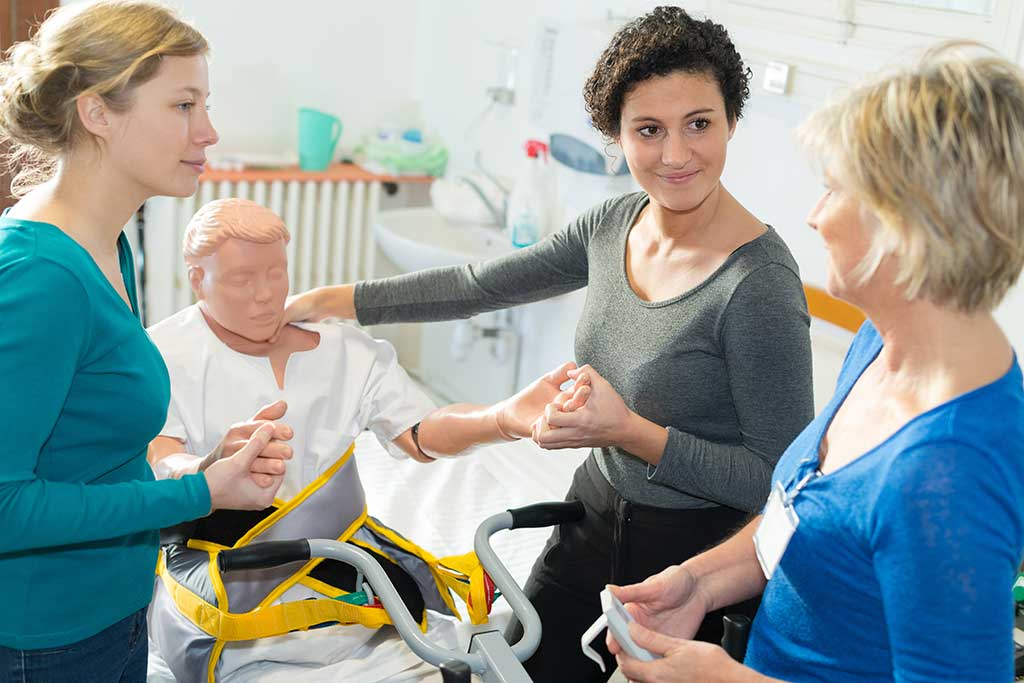
In professional caregiving and care management circles, the “5 C’s of Caregiving” is a well-established framework for defining the essential qualities that distinguish exceptional care from adequate or inadequate care. While versions of this framework vary slightly depending on the clinical or educational context, the core competencies it describes are universally recognized as foundational to quality senior care.
Understanding the 5 C’s gives families in Springboro, Morrow, Maineville, Goshen, and throughout Greater Cincinnati and Dayton a concrete vocabulary and evaluative framework for assessing the quality of care their loved one is receiving, whether from a private caregiver or a professional agency.
The 1st C: Compassion
Compassion is the emotional and motivational foundation of caregiving. It is the capacity to recognize another person’s suffering and to be moved to respond with genuine care and concern, not just as a professional obligation, but as a human commitment.
In practical senior care terms, compassion manifests as patience with repetitive questions from a person with dementia, as gentleness during intimate personal care tasks, as taking the time to listen to a lonely senior’s stories even when there are other tasks to complete, and as genuine grief when a long-term client’s health declines.
Compassion cannot be trained into someone who doesn’t have it, and it cannot be sustained long-term without the personal reserves and emotional support structures that professional work environments provide. Caregiver burnout often presents first as a loss of compassion: the caregiver who once sat with a client and talked now rushes through tasks to leave as early as possible. Families should watch for this shift.
The 2nd C: Competence
Competence refers to the technical knowledge, skills, and judgment required to provide safe and effective care. In non-medical home care, this includes proficiency in personal care techniques, understanding of the specific medical conditions affecting the client, knowledge of fall prevention and safety protocols, ability to recognize signs of health change, and skill in documentation and communication.
According to a 2021 report by the Paraprofessional Healthcare Institute (PHI), the quality of direct care worker training is one of the most significant determinants of care outcomes for older adults. The same report found that inadequate training contributes to preventable injuries, adverse health events, and caregiver burnout.
Competence is not static; it requires ongoing training and professional development. A caregiver who was competent in general personal care may lack the specialized competence to effectively support a client newly diagnosed with Parkinson’s disease or experiencing a significant cognitive decline. Caregivers and agencies that invest in continuous education provide a higher standard of care.
The 3rd C: Communication
Effective communication in senior care operates on multiple levels simultaneously. The caregiver must communicate clearly and compassionately with the senior client, adapting their language, pace, and tone to the client’s cognitive and sensory abilities. They must communicate accurately and promptly with family members about the senior’s status, changes, and needs. And they must communicate professionally with the agency, other care team members, and healthcare providers.
Communication breakdown is one of the most common contributors to preventable adverse events in home care. A caregiver who notices a concerning change in a client’s condition but doesn’t know how to communicate it, or who delays reporting because they’re uncertain it’s important, creates a window for serious harm.
At Senior Helping Seniors Warren Clermont, communication is a structured professional responsibility. Caregivers document each visit in our care management system, family members receive regular updates through our coordination process, and supervisors are available for escalation whenever a caregiver is uncertain about a situation.
The 4th C: Commitment
Commitment in caregiving means reliability, consistency, and genuine dedication to the client’s well-being over time. It manifests as showing up when scheduled, regardless of rain, snow, or personal inconvenience. It means following through on the care plan even when the tasks are unpleasant. It means staying an extra 20 minutes without complaint when a client is having a difficult day. And it means maintaining professional boundaries and standards day after day, month after month, even when supervision is minimal.
Commitment is where private caregivers most frequently fall short, not because they are bad people, but because there is no institutional structure holding them accountable. A private caregiver with a personal emergency has no coverage system. One experiencing burnout has no supervisor noticing the warning signs. One who begins to feel underpaid or undervalued has no HR department to address their concerns constructively.
The structural supports that enable sustained commitment, supervision, professional development, team culture, and formal employment relationships are things that professional agencies provide, and private arrangements almost never do.
The 5th C: Confidence
Confidence in caregiving means the self-assurance to act decisively in difficult situations, to speak up when something is wrong, and to perform care tasks skillfully without hesitation, which could increase a client’s anxiety or discomfort.
A confident caregiver doesn’t freeze when a client falls; they respond. A confident caregiver doesn’t second-guess themselves through an entire personal care routine; they work efficiently and reassuringly. A confident caregiver doesn’t hesitate to call the supervisor or family when they observe something concerning; they communicate clearly and promptly.
Confidence comes from training, experience, and institutional support. An undertrained, unsupervised private caregiver, however well-intentioned, often lacks the professional confidence that keeps seniors safe in difficult moments.
Frequently Asked Questions
Q: How can I tell if my parents’ caregiver is burning out?
Signs of caregiver burnout in a paid professional include increased tardiness or absences, reduced engagement and communication, shorter visits, less attention to the client’s appearance and comfort, emotional withdrawal, and complaints about the job. The next posts in this series cover the stages and signs of caregiver burnout in detail.
Q: Does the agency check whether caregivers are maintaining the 5 C’s over time?
At Senior Helping Seniors, supervisory visits, client and family feedback, and care documentation reviews all serve as ongoing quality assurance mechanisms. We actively monitor for changes in caregiver performance and intervene promptly when concerns arise.
Key Takeaways
- The 5 Caregiving framework defines essential qualities for exceptional care in senior caregiving.
- Compassion is the emotional foundation of care, requiring genuine concern and patience from caregivers.
- Competence signifies the technical skills and ongoing training needed for safe and effective care.
- Effective communication is crucial to prevent misunderstandings and ensure clear updates between caregivers, clients, and families.
- Commitment involves reliability and dedication, while confidence allows caregivers to act decisively in challenging situations.
Ready to Protect Your Loved One?
At Senior Helping Seniors Warren Clermont, we serve families across Greater Cincinnati & Dayton, including Milford, Loveland, Lebanon, Morrow, Maineville, Waynesville, Springboro, Franklin, Bethel, Batavia, Amelia, Withamsville, Eastgate, Goshen, New Richmond, Mt. Orab, Fayetteville, Blanchester, Wilmington, Oakwood, Centerville, Kettering, Bellbrook, and Beavercreek. Every caregiver we place is thoroughly screened, bonded, insured, and trained.
Don’t gamble with your family’s safety. Visit us at https://shswarrenclermont.com to schedule a FREE no-obligation consultation, or call us today. You deserve complete peace of mind.