




Pawsitive Perks for Seniors: The Benefits of Pet Ownership for Seniors
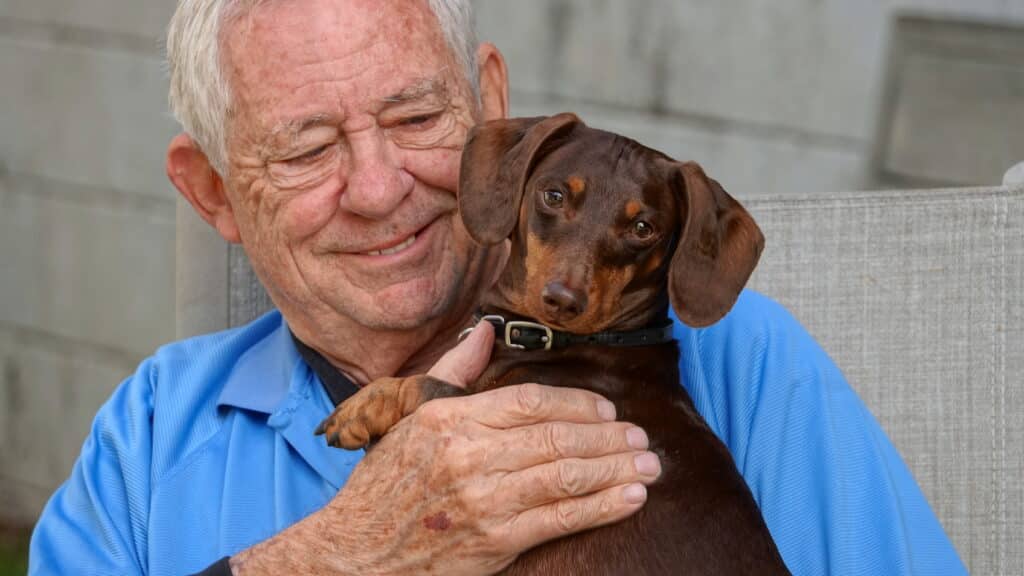
National Dog Day celebrates the companionship, loyalty and joy dogs bring into our lives. For many older adults, that bond can be especially meaningful. A dog waiting by the door, a cat curled up nearby or a bird greeting the morning can make a home feel warmer and a day feel more purposeful.
Research suggests that pets may support emotional well-being, physical activity, and a sense of routine. In a University of Michigan National Poll on Healthy Aging, nearly 90% of pet owners ages 50 to 80 said their pets helped them enjoy life and feel loved. About 80% said their pets reduced stress, while nearly three-quarters said their pet gave them a sense of purpose. Still, pet ownership is a personal decision. The right companion should fit an older adult’s health, home, finances, and lifestyle.
How Can Pets Help Seniors Feel Less Lonely?
Pets offer steady, nonjudgmental companionship. They are there during quiet mornings, difficult evenings, and the everyday moments in between. Talking to, petting, or simply sitting beside an animal may provide comfort and help a person feel less alone.
Some research has found an association between pet ownership and lower loneliness among older adults, particularly those who live alone. However, the evidence is mixed, and researchers cannot say that getting a pet will prevent loneliness for everyone. A pet should complement meaningful human relationships—not replace visits from family, friends, neighbors or a trusted Seniors Helping Seniors® caregiver.
Pets may also encourage connections with other people. Walking a dog can lead to conversations with neighbors, while trips to the veterinarian, pet store, or local park can create reasons to leave the house and engage with the community.
Can Owning a Pet Give Older Adults More Routine and Purpose?
Retirement can bring welcome freedom, but it can also remove the schedules and responsibilities that are once shaped each day. Without regular activities, some older adults may become less active or feel that their days lack structure.
A pet naturally creates a routine. Meals need to be served. Water bowls need to be filled. Dogs may need to walk or time outside. Cats enjoy play and attention, and birds require feeding, cleaning, and interaction. These small responsibilities can provide a reason to get up, move around, and stay engaged.
In the University of Michigan poll, 64% of pet owners—and 78% of dog owners—said their pets helped them remain physically active. Even gentle activities, such as tossing a toy or taking a short walk, may add movement to the day.
A Seniors Helping Seniors® caregiver may be able to support that routine by helping with pet food preparation, accompanying an older adult on a walk, or providing reminders related to daily pet care.
Are Dogs the Best Pets for Seniors?
Dogs are wonderful companions, but they are not the only option. Some older adults may prefer an independent cat, a cheerful bird, or another small pet that better suits their energy level and living space.
For someone who loves dogs, a puppy may not always be the easiest choice. Puppies often require house training, frequent supervision, considerable exercise, and plenty of patience. An older dog from a shelter or rescue organization may be a better match.
Senior dogs are often calmer, may already be trained, and typically require less vigorous exercise. They can offer loving companionship while giving an older adult the opportunity to provide a comfortable home to an animal in need. A shelter can help identify a dog whose temperament, size and activity level fit the adopter’s lifestyle.
What Should Seniors Consider Before Getting a Pet?
Before adopting, ask:
Does my home or community allow pets?
Is there enough safe space for the animal?
Can I manage feeding, grooming, walking, and cleaning?
Can I afford food, supplies, veterinary visits, and unexpected medical bills?
Could the pet create a tripping or fall risk?
Who will care for the pet if I become ill, travel, or need additional support?
Does the animal’s size, age, and energy level match my abilities?
Am I ready for a commitment that could last many years?
Pet ownership may be rewarding, but it is not right for everyone—and that is perfectly okay. Pet-sitting, volunteering at a shelter or enjoying visits from a family member’s pet can also provide animal companionship without full-time responsibility.
This National Dog Day, take time to appreciate the comfort animals can bring to aging adults. For those considering a pet, talk with family members, a veterinarian, an adoption counselor, and your local Seniors Helping Seniors® team. Together, you can decide what support may be needed to prepare a pet now and care for that beloved companion in the years ahead.