




September is Suicide Prevention Month, a time to remind older adults, families, caregivers, and communities that every life has value and that support is available during difficult seasons. As we age, life can bring significant changes, including the loss of a spouse or close friend, changes in health, reduced independence, financial concerns, or increased time spent alone. While these experiences affect everyone differently, persistent loneliness, grief, or emotional distress should not simply be dismissed as a normal part of aging. Taking the time to notice changes and offer a listening ear can make an important difference.
Recognizing the Signs
Sometimes, emotional struggles in older adults can be subtle. A senior who is having a difficult time may not always openly talk about how they are feeling, so caregivers and loved ones can help by paying attention to small changes in their usual routines and personality. They may seem quieter than usual, lose interest in activities they once enjoyed, spend more time alone, or appear unusually tired, worried, irritable, or discouraged. Changes in sleep, appetite, personal care, or willingness to socialize can also be worth noticing. These changes do not necessarily mean that someone is experiencing a mental health crisis, but they can be gentle reminders to slow down, check in, and offer additional support.

For caregivers, recognizing these changes can be as simple as noticing that a client who normally enjoys morning conversations no longer feels like talking, or that someone who looks forward to weekly outings has stopped asking about them. A caring question such as, “How have you been feeling lately?” or “Is there anything that’s been weighing on you?” can create an opportunity for an honest conversation. Listening patiently, without rushing to provide an answer or dismissing their feelings, can help an older adult feel heard and valued. If you notice ongoing or concerning changes, encourage the senior to connect with a healthcare professional or someone they trust for additional support.
How We Can Help Prevent Suicide
Prevention often begins with connection and a willingness to have an honest conversation. If you are concerned about a loved one, ask how they are really doing and listen without judgment. Asking someone directly whether they are thinking about suicide does not increase suicidal thoughts or behavior and can open the door to getting help. NIMH recommends five actions: Ask, Be There, Help Keep Them Safe, Help Them Connect, and Follow Up. Encourage the person to speak with a healthcare provider or mental health professional and help them stay connected with trusted family members, friends, caregivers, or community resources. If someone is in immediate danger or has an urgent safety concern, call 911. In the United States, you can also call or text 988 to reach the 988 Suicide & Crisis Lifeline, which provides free and confidential support 24/7.
As the warm summer months come to an end, fall provides plenty of opportunities for seniors to stay connected, active, and engaged. A scenic drive to enjoy the changing leaves, a visit to a local farmers market, an afternoon baking a favorite recipe, or simply sharing a cup of coffee with a friend can create meaningful moments of connection. For seniors who prefer activities at home, seasonal crafts, puzzles, family photo albums, board games, or birdwatching can offer gentle ways to stay engaged. Small moments may seem simple, but regular companionship and meaningful activities can help older adults feel connected to the people and world around them. This fall, let’s make time to check in, spend time together, listen, and remind the seniors in our lives that they are seen, they are valued, and they matter.
Fall Activity: Cozy Harvest Fun – Pinecone Bird Feeders
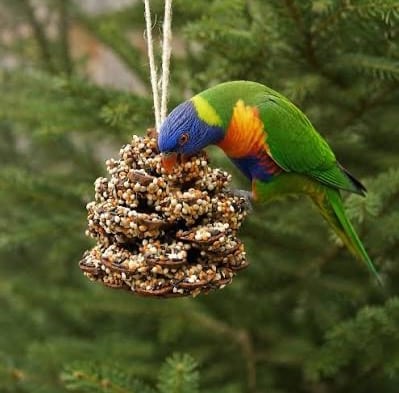
This simple fall activity gives a chance to enjoy a little bit of nature while creating a welcoming treat for local birds. Using pinecones, sunflower seed butter or peanut butter, and birdseed, it is an easy, hands-on craft that can be completed indoors and then enjoyed throughout the season. It can also be adapted for different comfort and ability levels, making it a lovely activity to enjoy with a caregiver, family member, or friend.
Materials
- Large pinecones
- Peanut butter or sunflower seed butter
- Birdseed
- Small bowls or shallow trays
- Butter knives or craft sticks
- String or twine
- Paper plates
- Aprons or table coverings
Steps
- Gather clean, dry pinecones. If collecting them outdoors, make sure they are free of dirt, insects, and moisture.
- Tie a piece of string or twine securely around the top of each pinecone.
- Place birdseed in a shallow bowl or tray.
- Using a butter knife or craft stick, spread a layer of peanut butter or sunflower seed butter over the pinecone, working it into the openings.
- Roll or gently press the coated pinecone into the birdseed until it is well covered.
- Hang the finished bird feeder from a sturdy tree branch or another safe outdoor location.
- Place the feeder somewhere visible from a window or seating area so you can enjoy watching the birds visit.
Once your bird feeder is ready, settle in with a warm cup of tea or coffee and enjoy a little birdwatching. It’s a simple way to bring nature closer, encourage conversation, and create a meaningful moment together while welcoming the beautiful colors and comforts of fall.