




By Shanticleer Graham, Seniors Helping Seniors® Atlanta Southwest
Case management for seniors can feel invisible until a family suddenly needs it.
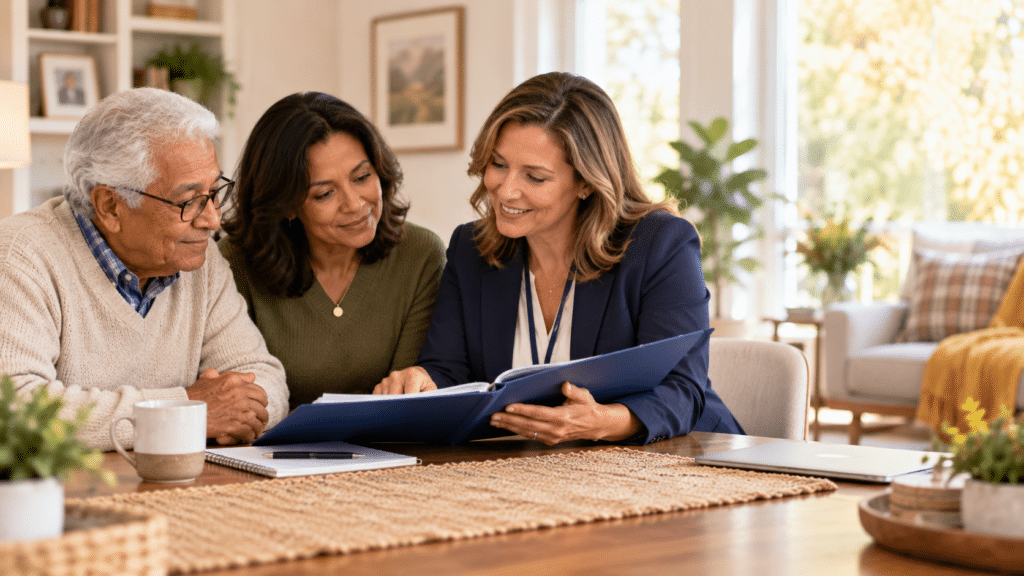
A parent is preparing to leave the hospital. A rehabilitation stay is ending. Several providers are involved. The family is trying to understand what happens next.
That is often when a case manager, social worker, discharge planner, or care coordinator becomes one of the most important people in the conversation.
National Case Management Week, October 11 through 17, is a good time to explain what these professionals do and how families can work with them.
What Does Case Management For Seniors Include?
The exact role depends on the setting.
A hospital case manager may help coordinate discharge needs. A rehabilitation center may have a social worker helping families understand next steps. A private care manager may work with a family over a longer period.
In general, case management helps connect the pieces.
That can include identifying resources, communicating across providers, helping families understand available services, and supporting transitions from one care setting to another.
Case managers do not make every decision for a family.
They help families understand what needs to be decided.
Why Does This Matter After A Hospital Or Rehab Stay?
Leaving a facility is often a relief.
It can also be the moment families realize how much has changed.
Before a hospitalization, Dad may have cooked breakfast, driven to appointments, and managed the house on his own.
Afterward, he may still be recovering. Walking may take longer. Showering may feel less steady. Family members may need to help with meals, transportation, or daily routines.
The discharge paperwork may be clear, but the reality at home can still feel complicated.
That gap between a care plan and everyday life is where good coordination matters.
What Should Families Ask A Case Manager?
Families often remember questions after the meeting is over.
Write them down ahead of time.
Consider asking:
What will my loved one need help with when they return home?
Are there follow-up appointments we should schedule now?
What equipment or services should be in place before discharge?
Are there activities my loved one should avoid or get help with?
Who should we call if the home situation is not working as expected?
Are there community resources or support services we should know about?
You may not need every answer from one person. The case manager can often help you understand who is responsible for each part of the plan.
How Does Non-Medical Home Care Fit In?
This is an area that can be confusing.
Home health and non-medical home care are not the same thing.
Home health generally provides skilled medical services through licensed healthcare professionals under an appropriate medical plan.
Non-medical home care focuses on everyday living.
Depending on the person’s needs and care plan, that may include personal care, meal preparation, light housekeeping, companionship, transportation, errands, respite care, and medication reminders.
A person may need one, the other, or both.
For example, a clinician may handle a skilled medical need while a non-medical caregiver helps the person get dressed, prepares lunch, keeps the home orderly, or provides transportation to a follow-up appointment.
Understanding the difference makes it easier for families to build the right support around the person.
Good Communication Makes The Plan Stronger
Case management works best when families share accurate information.
If Mom was struggling with bathing before the hospitalization, say so.
If Dad lives alone and the family cannot provide daily transportation, explain that.
If the house has stairs that are becoming difficult, mention them.
Families sometimes minimize challenges because they want their loved one to get home.
That is understandable.
However, the people coordinating the transition need a realistic picture of what home life will look like.
The same is true after home care begins.
If needs change, communication between the family, agency, and appropriate care professionals helps everyone respond sooner.
Case Managers Are Also Important Community Partners
At Seniors Helping Seniors® Atlanta Southwest, we work with families throughout South Fulton County and surrounding communities.
Many of those families first begin asking about home care during a transition.
Case managers, social workers, rehabilitation teams, senior organizations, and other referral partners often help families understand that support at home can be part of the plan.
Our role is different from theirs.
We provide non-medical in-home support.
Their role may involve clinical care coordination, resource navigation, discharge planning, or other professional services.
When everyone is clear about their role, the older adult benefits from a more organized transition.
What Can Families Do Before Discharge Day?
Do not wait until the car is packed.
Ask where your loved one will sleep.
Walk through the home for obvious obstacles.
Make sure food is available.
Confirm transportation for follow-up appointments.
Decide who will be present during the first few days.
If the family cannot cover every need, ask about support options before the transition happens.
A smoother return home usually begins with fewer surprises.
Frequently Asked Questions About Case Management For Seniors
Is a case manager the same as a home care caregiver?
No. Case managers coordinate resources and services based on their role and setting. Non-medical caregivers provide hands-on support with approved everyday activities in the home.
Will every senior have a case manager?
No. Access and roles vary by hospital, rehabilitation center, insurance plan, community program, and individual situation.
Can home care begin after a hospital or rehab discharge?
Yes, when non-medical support is appropriate and arrangements are made with the family and agency.
What information should families share with a case manager?
Share a realistic picture of the home environment, available family support, transportation, daily routines, safety concerns, and any challenges that may affect the transition.
How can a family prepare for a case management meeting?
Write down questions, bring relevant contact information, know who can help at home, and be clear about what the family can and cannot realistically provide.
Seniors Helping Seniors® Atlanta Southwest provides non-medical in-home care for older adults throughout South Fulton County and surrounding communities. We help families find practical ways to support safety, connection and independence at home. Call us at (404) 793-0677 or visit SHSAtlantaSouthwest.com