




Estimated reading time: 6 minutes
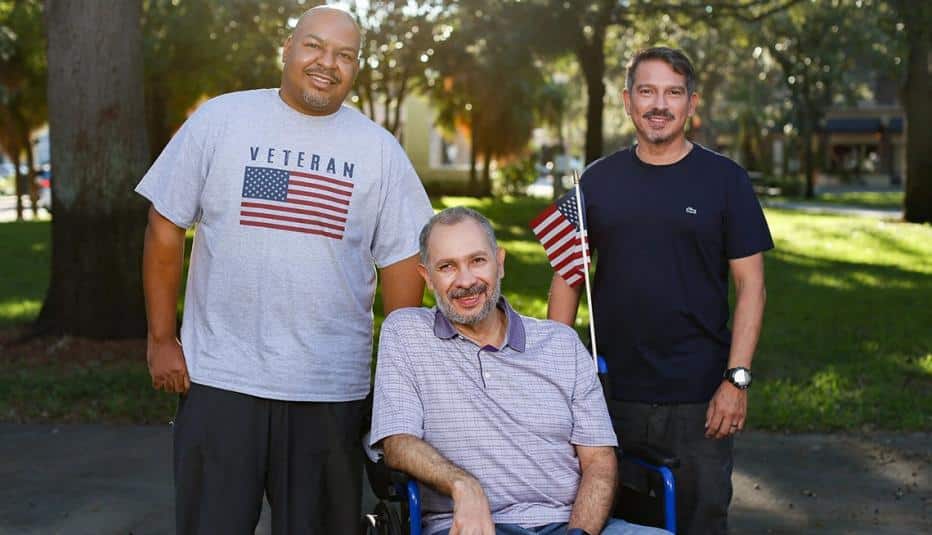
Veterans Day is a time to remember and honor the men and women who served to protect our freedoms. But honoring veterans shouldn’t stop at ceremonies and flags. For many who return home, the struggle continues: food insecurity, underemployment, caregiving needs, and the search for a new purpose. As Christian Adams of Seniors Helping Seniors® Warren Clermont in-home care services explained in a recent local segment, community organizations are stepping in to help veterans find meaningful work while supporting fellow veterans and older adults in need.
“We are accredited [with the] V.A. … we are also employing veterans themselves as well,” Adams told WLWT’s Jen Dalton and Bob Herzog. “We really are looking for veterans that are continuing to serve after they’ve taken off their uniform.”
That idea of veterans serving veterans is simple and powerful. It turns the question “How do we help veterans?” into a two-way solution: providing services to veterans in need, and offering meaningful, purposeful employment to veterans who want to continue serving.
The scale of need: food insecurity, jobs, and fragile safety nets
The scope of the problem is sobering. Recent analyses and federal data point to widespread economic and food-related hardship among veterans:
- Roughly 7–8% of veterans — about 1.5 million people — are food insecure, according to recent aggregated reporting from the USDA and related analyses. Economic Research Service
- Veterans are more likely than nonveterans to experience food insecurity, and many low-income veterans rely on programs like SNAP; Feeding America notes both the vulnerability and the use of assistance among service members and veterans. Feeding America
- On the employment front, veteran unemployment has fluctuated in recent years but remained relatively low in 2024. The Bureau of Labor Statistics reported an annual average unemployment rate of about 3.0% for veterans in 2024, though job quality and underemployment remain concerns for many transitioning service members. Bureau of Labor Statistics
Those numbers don’t capture the whole story — for example, veterans living paycheck-to-paycheck, or those who fall through administrative cracks after discharge. However, they do show that large numbers of people who once served their country continue to struggle to meet basic needs. That’s why local programs and partnerships matter so much.
A two-fold solution: hiring veterans to care for veterans (and seniors)
Seniors Helping Seniors Warren Clermont in-home care services illustrate a replicable, humane approach. Adams explained that their agency is VA-accredited and intentionally hires veterans as caregivers. These caregivers provide non-medical, in-home services for older veterans and seniors, including light housekeeping, errands, medication reminders, memory care support, and assisted daily living tasks such as bathing and toileting. The agency also offers respite care for family caregivers — an often-overlooked service that provides families breathing room and reduces burnout.
“We have caregivers that help facilitate services, homemaking services or personal care for older veterans that need help in their home. … It’s meaningful. It’s purposeful,” Adams said.
That model hits several priorities at once:
- Employment with purpose. Many veterans seek employment that is meaningful and service-oriented after military service. Caregiving can meet that need, offering flexible, part-time jobs with immediate community impact.
- Peer-to-peer trust. Veterans caring for veterans or older adults often build rapport more quickly — they share cultural touchpoints, discipline, and a service mindset.
- Nonmedical supports that prevent crises. Helping with errands, medication reminders, and companionship can reduce the risks that lead to hospital visits or premature institutionalization.
- Family support via respite. By providing relief to family caregivers, agencies reduce caregiver burnout and preserve the family safety net.
Local organizations that pair veteran employment with veteran-focused services create a virtuous cycle: they pay veterans for meaningful work while addressing acute needs in their communities.
What caregivers actually do — and why it matters
If you’re wondering what a typical caregiver shift looks like, Adams listed concrete duties that are essential but non-medical: light housekeeping, running errands, medication reminders, memory support for clients with Alzheimer’s or dementia, and assisted daily living tasks (bathing, toileting, incontinence care). Those tasks may sound mundane — but they’re pivotal. They preserve dignity, reduce falls and missed medications, and enable older adults to remain in their homes for longer periods.
Adams also emphasized the importance of respite, noting that giving family caregivers a few hours or days off can be “an amazing gift” that improves outcomes for the entire household.
How local residents can help — beyond hiring
Seniors Helping Seniors Warren Clermont offers a clear pathway for individuals who want to get involved. As Adams said on-air, interested veterans or caregivers can visit the local website or call to learn about available openings and the qualifications required. (shswarrenclermont.com; phone 513-725-2888.)
Not everyone can work as a caregiver, but community members can still help:
- Donate to local food banks and veteran-serving charities that focus on food insecurity and basic needs. National and local organizations often coordinate with VA efforts to reach food-insecure veterans. VA News
- Volunteer for buddy programs or transportation services that provide rides to appointments or grocery shopping.
- Advocate for policies and local funding that expand nonmedical home-care support and veteran services.
The policy angle: safety nets and the risk of disruption
The transcript touched briefly on SNAP and government shutdowns — a timely concern. Benefits and program funding can be fragile; disruptions to SNAP or outreach programs can create lagging increases in need among seniors and veterans. Local organizations often see these increases after federal-level interruptions, and they must scramble to meet demand when benefits are delayed. For people who depend on monthly assistance, timing is crucial, and local providers are often the first responders when systems fail. AARP
Real people, real impact
What makes the Seniors Helping Seniors approach compelling — beyond the statistics — are the human stories. In the clip, Adams described veterans who “love the work” and find it “purposeful.” That testimony matters: meaningful work can improve mental health and reduce isolation for the caregiver as much as for the care recipient.
This kind of reciprocity — veterans helping seniors, families receiving respite, communities knitting tighter ties — is practical, scalable, and deeply humane.
How to get involved (quick checklist)
If this piece resonates, here are simple, immediate actions:
- Are you a veteran interested in caregiving? Visit shswarrenclermont.com or call 513-725-2888 (as shared in the segment) to ask about openings and qualifications.
- Want to support veterans facing food insecurity? Donate to local food banks or veteran-centered hunger initiatives; consider volunteering for distribution events. VA News
- Do you know a family caregiver who needs a break? Reach out to local respite and in-home care agencies; a few hours of help can reduce stress and prevent burnout.
- Advocate locally. Contact your city or county leaders to support programs that fund non-medical home care and veteran support services.
Closing: honor that keeps working
Veterans Day is a moment to remember service — but honoring veterans is more than symbolism. It’s about building structures and relationships that help veterans thrive in civilian life. Initiatives like Seniors Helping Seniors — which intentionally employ veterans and serve those in need — are practical expressions of gratitude: they turn respect into jobs, companionship, and genuine help.
“They like taking on new challenges … it makes them happy that they’re servicing other people,” Adams said and in that simple circle of service, both giver and receiver benefit.
Sources (key references cited above)
- U.S. Department of Agriculture / Economic Research Service reports and analyses on veteran food insecurity and poverty. Economic Research Service
- Local reporting summarizes USDA data: recent news items that reference ~1.5 million veterans as food insecure. Hattiesburg American
- Feeding America: overview of food insecurity among active military and veterans. Feeding America
- Bureau of Labor Statistics / Employment Situation of Veterans: unemployment rate and labor statistics for veterans (2024). Bureau of Labor Statistics
- Seniors Helping Seniors® Warren Clermont: local program information and statements from Christian Adams. Seniors Helping Seniors