




Understanding Activities of Daily Living
Activities of Daily Living, often called ADLs, are the basic tasks people do every day to care for themselves and maintain their independence. These activities include bathing, dressing, eating, toileting, grooming, and moving safely from one place to another.
As we age or experience illness, injury, or changes in mobility, everyday tasks can sometimes become more challenging. Therefore, understanding a person’s ability to complete ADLs can help families and care professionals identify where support may be needed. It also encourages as much independence as possible. If you’re looking for information about ADLs, learning about them is essential for anyone involved in caregiving or health planning.
Why ADLs Matter (What Are ADLs and How They’re Measured)
Assessing ADLs provides valuable insight into a person’s overall well-being and ability to live safely and independently. In addition, it can help caregivers develop a personalized care plan that focuses on individual needs, abilities, and goals.
Support with ADLs may be as simple as providing a little extra assistance with dressing or bathing. On the other hand, it may involve more comprehensive daily care. The goal is always to provide the right level of support while promoting dignity, comfort, and independence.
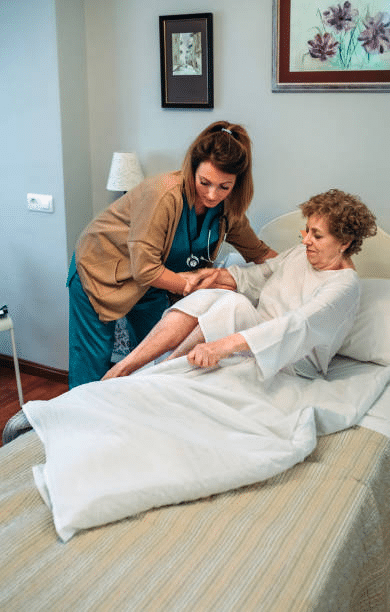
Supporting Independence
Every person’s needs are different. By understanding ADLs and recognizing where assistance is needed, families and caregivers can create a safer, more supportive environment. This environment helps individuals continue to enjoy the highest possible quality of life.
Understanding ADLs is an important first step toward providing compassionate, personalized care that meets people where they are.
Common Activities of Daily Living
Use this simple checklist to consider areas where a person may be independent or need assistance:
[ ] Bathing: Can the person bathe safely and independently?
[ ] Dressing: Can they choose and put on appropriate clothing?
[ ] Eating: Can they eat and drink independently?
[ ] Toileting: Can they use the bathroom safely and manage personal hygiene?
[ ] Grooming: Can they brush their teeth, comb their hair, and maintain personal care?
[ ] Mobility: Can they safely walk, transfer, or move around their home?
[ ] Continence: Can they manage bladder and bowel needs independently?
Changes in the ability to complete ADLs may occur because of aging, illness, injury, or changes in mobility. Recognizing these changes early can help families and care professionals determine what type of assistance may be appropriate.
The goal isn’t to take away independence—it’s to provide the right amount of support while preserving dignity, safety, and quality of life.
By regularly understanding and evaluating ADLs, families and caregivers can create more personalized care plans. As a result, they help individuals remain as independent as possible in their daily lives.
If you or a loved one needs help with Activities of Daily Living (ADLs), the compassionate and caring team of mature caregivers at Seniors Helping Seniors®-Tampa East can help. Call (813) 485-4403 or visit us online at SHStampaeast.com for more information.