




Why Trust Is the New Currency in Senior Care Search
When a family in Colorado Springs begins searching for in-home care for an aging parent, they aren’t just looking for a list of services. They’re looking for someone they can trust. And increasingly, so is Google.
In recent years, Google has formalized a framework called E-E-A-T — which stands for Experience, Expertise, Authoritativeness, and Trustworthiness — to evaluate the quality and credibility of online content [1]. Originally introduced as E-A-T, Google added the second “E” for Experience in December 2022, signaling that first-hand, real-world knowledge matters just as much as credentials [2]. For senior care providers in the Pikes Peak region, this shift has profound implications — and a remarkable opportunity.
Here’s the thing: Seniors Helping Seniors® in-home care Pikes Peak doesn’t just talk about experience. Their caregivers live it.
What Is E-E-A-T, and Why Does It Matter for Senior Care?
E-E-A-T is Google’s quality check that helps its systems determine whether web content is trustworthy and genuinely helpful [3]. Breaking it down:
- Experience: You’ve actually done the thing you’re writing or speaking about — you’ve lived it [4].
- Expertise: You have demonstrable knowledge through credentials, education, or a proven track record [5].
- Authoritativeness: Others recognize you as a credible, go-to source in your field [6].
- Trustworthiness: Your content and your organization are accurate, transparent, and honest [7].
According to Google’s own Search Quality Rater Guidelines, trust is the most important member of the E-E-A-T family — because untrustworthy pages score low on E-E-A-T no matter how experienced or expert they may appear [8].
This matters enormously for senior care. Choosing a caregiver for an aging parent is a deeply personal, high-stakes decision — exactly the kind of “Your Money or Your Life” (YMYL) topic where Google applies its most rigorous E-E-A-T standards [9]. In fact, a 2024 SEMrush study found that pages with strong E-E-A-T signals had a 30% higher chance of ranking in the top 3 search positions compared to those with weak signals [10].
For families in the Pikes Peak region — many of whom begin their search for senior care online — this means the providers who demonstrate genuine experience and trustworthiness in their content are the ones who get found first.
The Peer-to-Peer Professional Spotlight: A Content Strategy Built on Real Experience
So how does a local senior care provider actually demonstrate E-E-A-T in a way that feels authentic rather than manufactured? The answer lies in a strategy we call the Peer-to-Peer Professional Spotlight.
The concept is simple but powerful: regularly feature your caregivers — in their own words — as the subject matter experts they truly are.
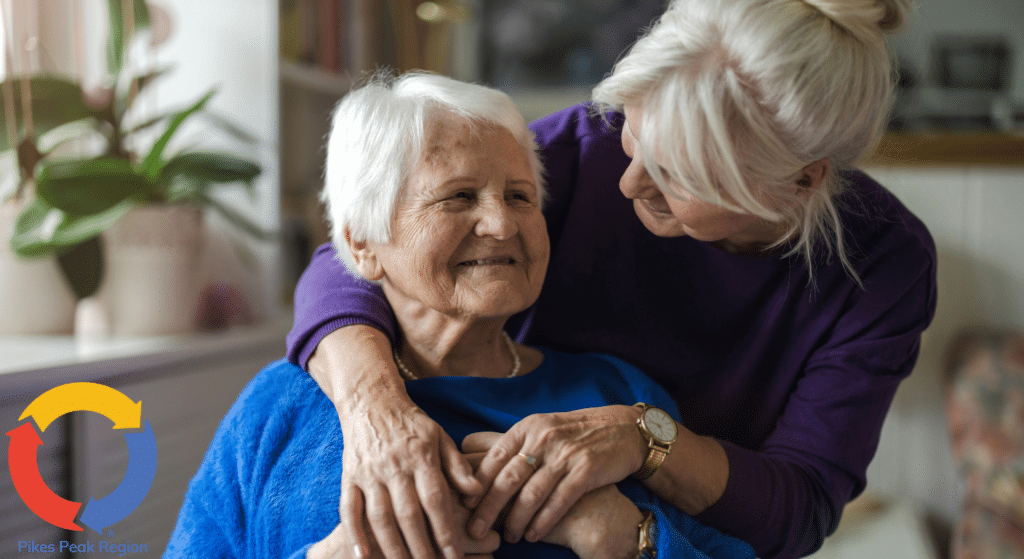
For most home care agencies, this might feel like a stretch. But for Seniors Helping Seniors® in-home care Pikes Peak, it’s a natural fit. Their caregivers are seniors themselves — people who have navigated the same life challenges, health transitions, and daily realities as the clients they serve [11]. This peer-to-peer model creates natural conversations, shared experiences, and often lifelong friendships that enrich both the caregiver’s and care receiver’s lives [12].
When you spotlight these caregivers in blog content, you’re demonstrating every pillar of E-E-A-T:
- Experience: A caregiver who has personally managed their own health challenges, helped a spouse through illness, or navigated the complexities of aging brings irreplaceable first-hand knowledge. Google values content produced by someone who has first-hand, life experience on the topic at hand [13].
- Expertise: Years of lived experience caring for oneself and others translates into practical wisdom that no textbook can replicate.
- Authoritativeness: When a caregiver’s story is shared and resonates with families in the community, it builds the kind of peer recognition that signals authority to both readers and search engines [14].
- Trustworthiness: Authentic caregiver spotlights — complete with real names, real backgrounds, and real stories — signal transparency, which is a cornerstone of trustworthiness in Google’s framework [15].
What a Peer-to-Peer Spotlight Looks Like in Practice
A well-executed caregiver spotlight for a senior care blog isn’t a generic employee bio. It’s a narrative that connects the caregiver’s personal journey to the care they provide. Here are the key elements:
1. The Caregiver’s Personal Story
What life experiences led this person to caregiving? Have they cared for a spouse, a parent, or a neighbor? What did that teach them about dignity, patience, and the importance of independence? These stories resonate deeply with families who are navigating the same journey. The true value of peer advice lies in its specificity — field-tested knowledge that you simply can’t find in a generic blog post [16].
2. Their Specific Expertise
What does this caregiver do particularly well? Maybe they’re exceptional at meal preparation for seniors with dietary restrictions. Maybe they have a gift for companionship with clients who are experiencing loneliness or isolation — one of the most common challenges facing older adults today [17]. Specificity builds credibility.
3. A Quote or Reflection in Their Own Words
Letting caregivers speak for themselves is essential. A short video or a direct quote carries far more weight than a polished marketing paragraph. As one senior care marketing framework notes, “a short video of a caregiver talking about why they love their work lands differently than a stock photo carousel” [18].
4. A Connection to the Local Community
For families in the Pikes Peak region, local context matters. Does this caregiver know the Colorado Springs area well? Have they helped clients navigate local resources? The Pikes Peak Area Agency on Aging, for example, serves El Paso, Park, and Teller counties with the primary goal of helping older people live independently in their own homes [19]. Grounding the spotlight in the local community reinforces that this is a neighbor helping a neighbor — not a faceless national service.
5. A Clear, Honest Call to Action
End each spotlight with an invitation — not a hard sell. Something like: “If you’d like to learn more about how our caregivers can support your family, we’d love to have a conversation.”
Why This Strategy Works: The Science of Peer Trust
The peer-to-peer spotlight isn’t just good content strategy — it’s grounded in how trust actually works.
Research consistently shows that seeing peers discuss their positive experiences with a service is a strong motivator for others to consider similar options [20]. For families searching for senior care, this is especially true. They aren’t looking for features — they’re searching for certainty and trust [21].
The peer-to-peer model also addresses one of the most common anxieties families face: the fear that a caregiver won’t truly understand what their loved one is going through. When a caregiver is a senior themselves, that fear dissolves. Seniors who receive care from someone in a similar stage of life frequently report feeling more at ease from the very beginning, and trust grows fastest when people feel understood [22].
For adult children balancing careers, military obligations, and family responsibilities — a reality for many families in the Colorado Springs area — knowing that care is being provided by a peer offers reassurance that emotional needs are being met alongside practical ones [23].
The E-E-A-T Overhaul: Practical Steps for Your Content Strategy
If you’re a senior care provider in the Pikes Peak region looking to strengthen your online presence, here’s how to begin implementing a Peer-to-Peer Professional Spotlight strategy:
Step 1: Identify Your Most Compelling Caregiver Stories
Start with caregivers who have rich personal histories and a genuine passion for their work. The best spotlights come from people who have a clear “why” behind what they do.
Step 2: Conduct a Structured Interview
Ask open-ended questions: What brought you to caregiving? What’s the most meaningful moment you’ve had with a client? What do you wish more families knew about in-home care? Let the caregiver’s voice lead.
Step 3: Publish Consistently
E-E-A-T is a long-term strategy. Building genuine authority and trust signals typically takes months, not weeks [24]. Commit to a regular publishing cadence — even one spotlight per month adds up to a powerful body of content over time.
Step 4: Include Author Attribution
When publishing caregiver spotlights, include the caregiver’s name, a photo, and a brief bio. Comprehensive author attribution with verifiable credentials is a key trust signal for Google [25].
Step 5: Encourage Reviews and Community Mentions
After a spotlight is published, share it with the caregiver’s network and encourage families to leave reviews. Mentions, references, and citations from reputable sources are among the ways Google assesses authoritativeness [26]. Research shows that 96% of Americans read reviews when considering local services, including for in-home care [27].
Step 6: Connect to Local Resources
Link to trusted local organizations like the Pikes Peak Area Agency on Aging and the Age-Friendly Pikes Peak Portal [28]. This signals that your content is embedded in the local ecosystem — not just optimized for search engines.
How Seniors Helping Seniors® in-home care Pikes Peak Embodies E-E-A-T Every Day
For Seniors Helping Seniors® in-home care Pikes Peak, the Peer-to-Peer Professional Spotlight isn’t a marketing tactic layered on top of their model — it’s an expression of who they already are.
Founded on the principle that life experience is invaluable, Seniors Helping Seniors® in-home care matches clients with caregivers who share similar backgrounds, interests, and life perspectives, fostering genuine companionship alongside professional care [29]. Their caregivers relate to their clients as peers, not patients — people who have navigated similar life challenges and understand the importance of maintaining routines and independence [30].
This is exactly what Google’s E-E-A-T framework rewards: content and care that comes from genuine, first-hand experience. And it’s exactly what families in the Pikes Peak region are looking for when they search for someone they can trust.
The Pikes Peak region is growing rapidly — the over-60 population is expected to increase by 42 percent between 2020 and 2030 [31]. As more families navigate the search for in-home care, the providers who show up with authentic, experience-driven content will be the ones who earn both the click and the call.
Ready to Experience the Difference?
At Seniors Helping Seniors® in-home care Pikes Peak, we believe that the best care comes from those who truly understand the journey of aging. Our caregivers aren’t just compassionate professionals — they’re neighbors, peers, and friends who bring the wisdom of lived experience to every visit. Whether your family is just beginning to explore in-home care options or you’re ready to take the next step, we’d love to connect.
Our team serves families throughout Colorado Springs, Monument, and the greater Pikes Peak region with flexible, personalized, non-medical in-home support — the kind that feels less like a service and more like a little help from a friend®.
Contact Seniors Helping Seniors® in-home care Pikes Peak today to learn how our peer-to-peer approach to care can make a real difference for your family.
Citations
[1] https://www.searchenginejournal.com/google-e-e-a-t-how-to-demonstrate-first-hand-experience/474446/
[2] https://developers.google.com/search/blog/2022/12/google-raters-guidelines-e-e-a-t
[3] https://blog.clickpointsoftware.com/google-e-e-a-t
[4] https://blog.clickpointsoftware.com/google-e-e-a-t
[5] https://blog.clickpointsoftware.com/google-e-e-a-t
[6] https://blog.clickpointsoftware.com/google-e-e-a-t
[7] https://blog.clickpointsoftware.com/google-e-e-a-t
[8] https://blog.clickpointsoftware.com/google-e-e-a-t
[9] https://mailchimp.com/resources/google-eeat/
[10] https://www.singlegrain.com/seo/e-e-a-t-strategies-that-guarantee-googles-trust-in-2025/
[11] https://spotlightseniorservices.com/provider/seniors-helping-seniors/
[12] https://spotlightseniorservices.com/provider/seniors-helping-seniors/
[13] https://developers.google.com/search/blog/2022/12/google-raters-guidelines-e-e-a-t
[14] https://mailchimp.com/resources/google-eeat/
[15] https://www.searchenginejournal.com/google-e-e-a-t-how-to-demonstrate-first-hand-experience/474446/
[16] https://www.onwardlivinghq.com/63101/6-best-caregiver-connections-for-shared-wisdom-and-support/
[17] https://seniorsbluebook.com/articles/why-seniors-caring-for-seniors-creates-trust-comfort-and-companionship
[18] https://www.caremarketing.com/empathy-first-marketing-senior-care/
[19] https://ppacg.org/pikes-peak-area-agency-on-aging/senior-information-and-assistance-center/
[20] https://fastercapital.com/content/Elder-care-niche–Digital-Marketing-Trends-in-Senior-Care-Services.html
[21] https://seniorcareclicks.com/content-marketing-for-elder-care-agencies/
[22] https://seniorsbluebook.com/articles/why-seniors-caring-for-seniors-creates-trust-comfort-and-companionship
[23] https://seniorsbluebook.com/articles/why-seniors-caring-for-seniors-creates-trust-comfort-and-companionship
[24] https://blog.clickpointsoftware.com/google-e-e-a-t
[25] https://blog.clickpointsoftware.com/google-e-e-a-t
[26] https://mailchimp.com/resources/google-eeat/
[27] https://partners.caring.com/
[28] https://agefriendlypikespeak.org/
[29] https://spotlightseniorservices.com/provider/seniors-helping-seniors/
[30] https://spotlightseniorservices.com/provider/seniors-helping-seniors/
[31] https://ppacg.org/pikes-peak-area-agency-on-aging/senior-information-and-assistance-center/